
How to Get Your Security Deposit Back: A Renter’s Guide to Caring for Your Home
Moving into a rental home is exciting — fresh space, new routines, and a place to make your own. But when move-out time comes, one big question is always top of mind:
“Will I get my full security deposit back?”
At Quality Home Management, we believe great tenants deserve a smooth, stress-free move-out experience. The good news? Getting your deposit back is completely doable when you know what matters most.
Here’s how to protect your deposit from day one.
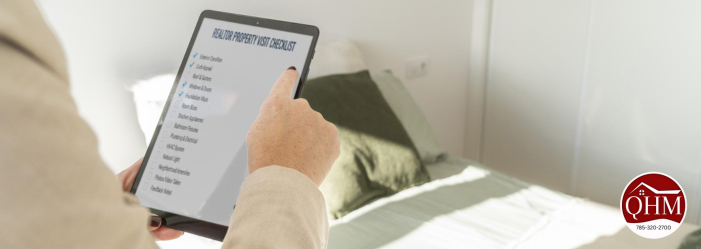
1. Document Everything at Move-In
Before you unpack a single box:
- Take clear photos of walls, floors, appliances, and fixtures
- Note existing scuffs, nail holes, stains, or damage
- Complete your move-in inspection form thoroughly
This protects you from being held responsible for pre-existing issues.
Pro tip: Email the photos to yourself so they’re date-stamped and easy to access later.
2. Treat the Property Like It’s Yours
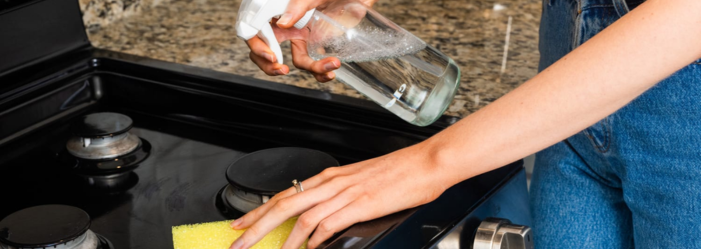
The simplest way to ensure a full refund? Consistent care.
- Change air filters regularly
- Clean appliances (especially ovens and refrigerators)
- Vacuum carpets and mop floors routinely
- Wipe down bathroom surfaces to prevent buildup
Small maintenance habits prevent costly damage later.
3. Report Maintenance Issues Early
A small leak today can become major damage tomorrow.
If you notice:
- Plumbing leaks
- HVAC issues
- Electrical problems
- Water stains
Report them immediately. Delaying repairs can result in avoidable damage — and possible deductions from your deposit.
Quick communication protects both you and the property.
4. Avoid Unauthorized Changes
Before painting, mounting TVs, or making modifications, always check your lease.
Unauthorized changes — even if they look great — can result in charges for repainting or repairs.
When in doubt, ask first.
5. Leave It “Move-In Ready”
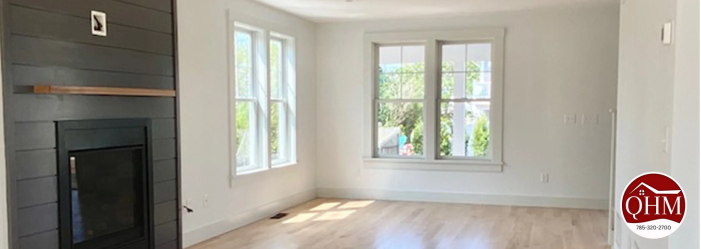
When it’s time to move out, think like the next tenant.
- Remove all belongings and trash
- Deep clean kitchens and bathrooms
- Clean inside cabinets and drawers
- Patch small nail holes (if allowed)
- Consider professional carpet cleaning if required
The goal: leave the home in the same condition (minus normal wear and tear) as when you moved in.
What Counts as “Normal Wear and Tear”?
Normal wear includes:
- Minor carpet wear
- Faded paint
- Small scuff marks
Damage includes:
- Large holes in walls
- Broken fixtures
- Pet damage
- Excessive stains
Understanding this difference can save you stress at move-out.
Renting Should Feel Secure
This is paragraph text. Click it or hit the Manage Text button to change the font, color, size, format, and more. To set up site-wide paragraph and title styles, go to Site Theme.
Share this post